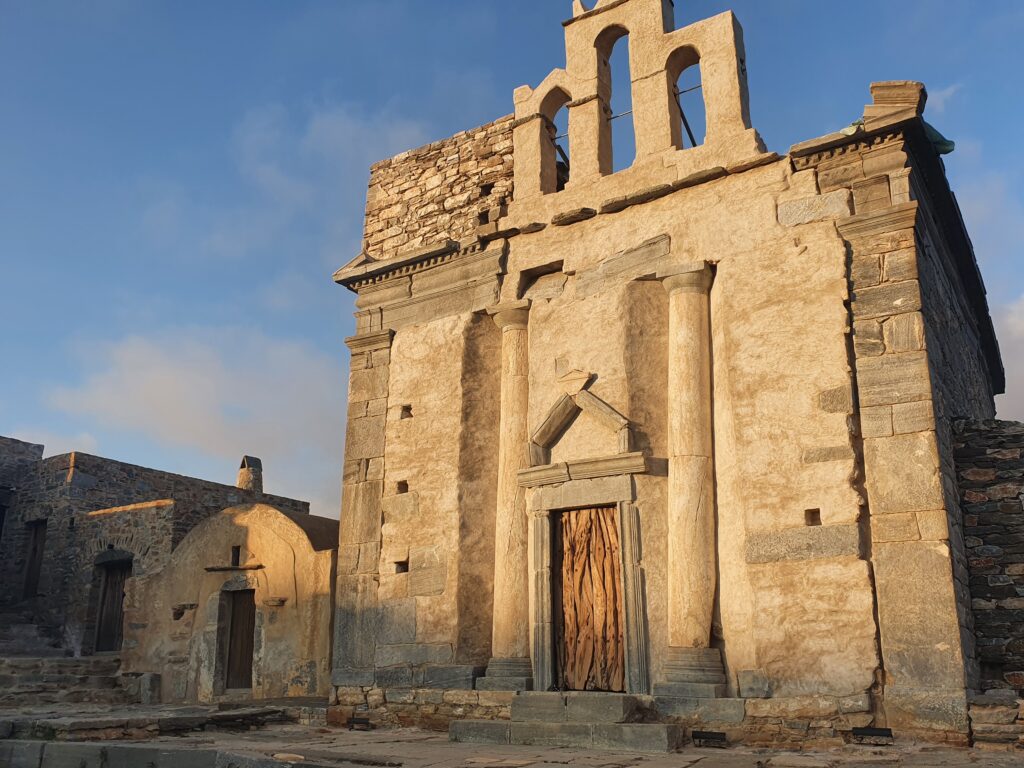
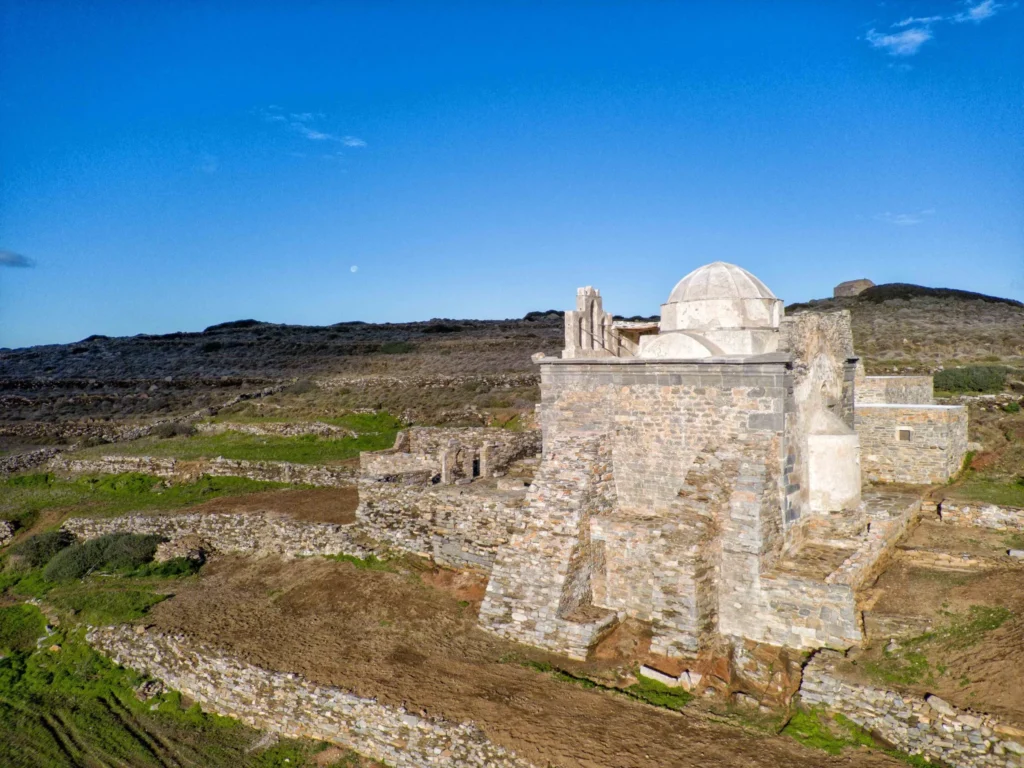
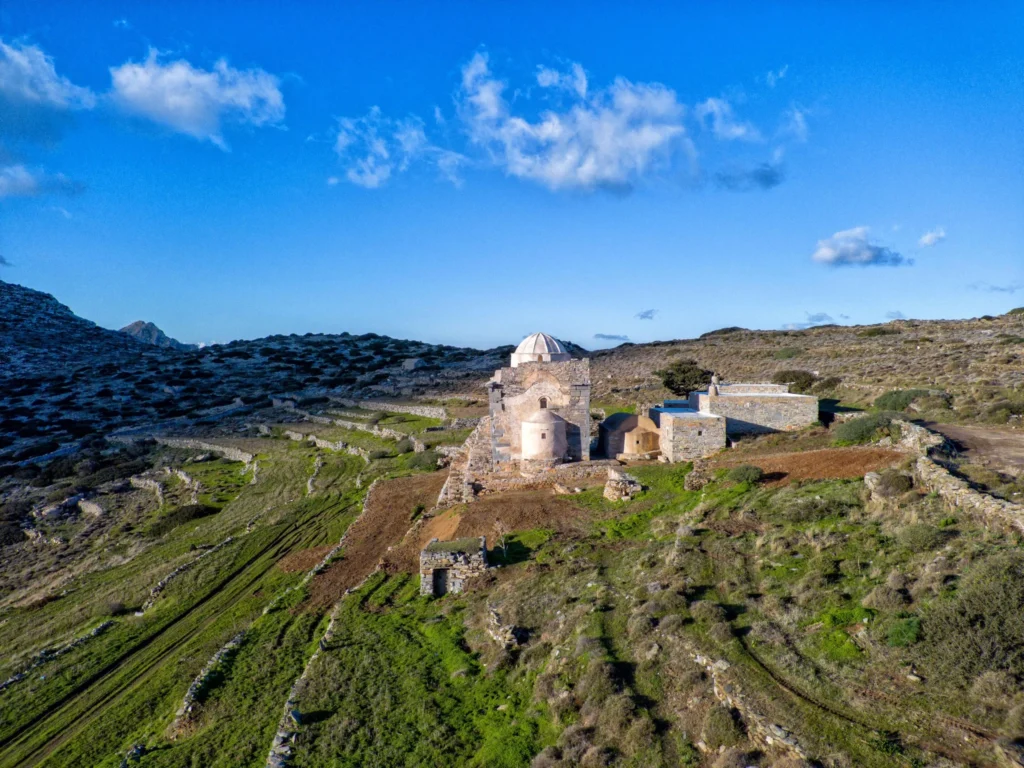
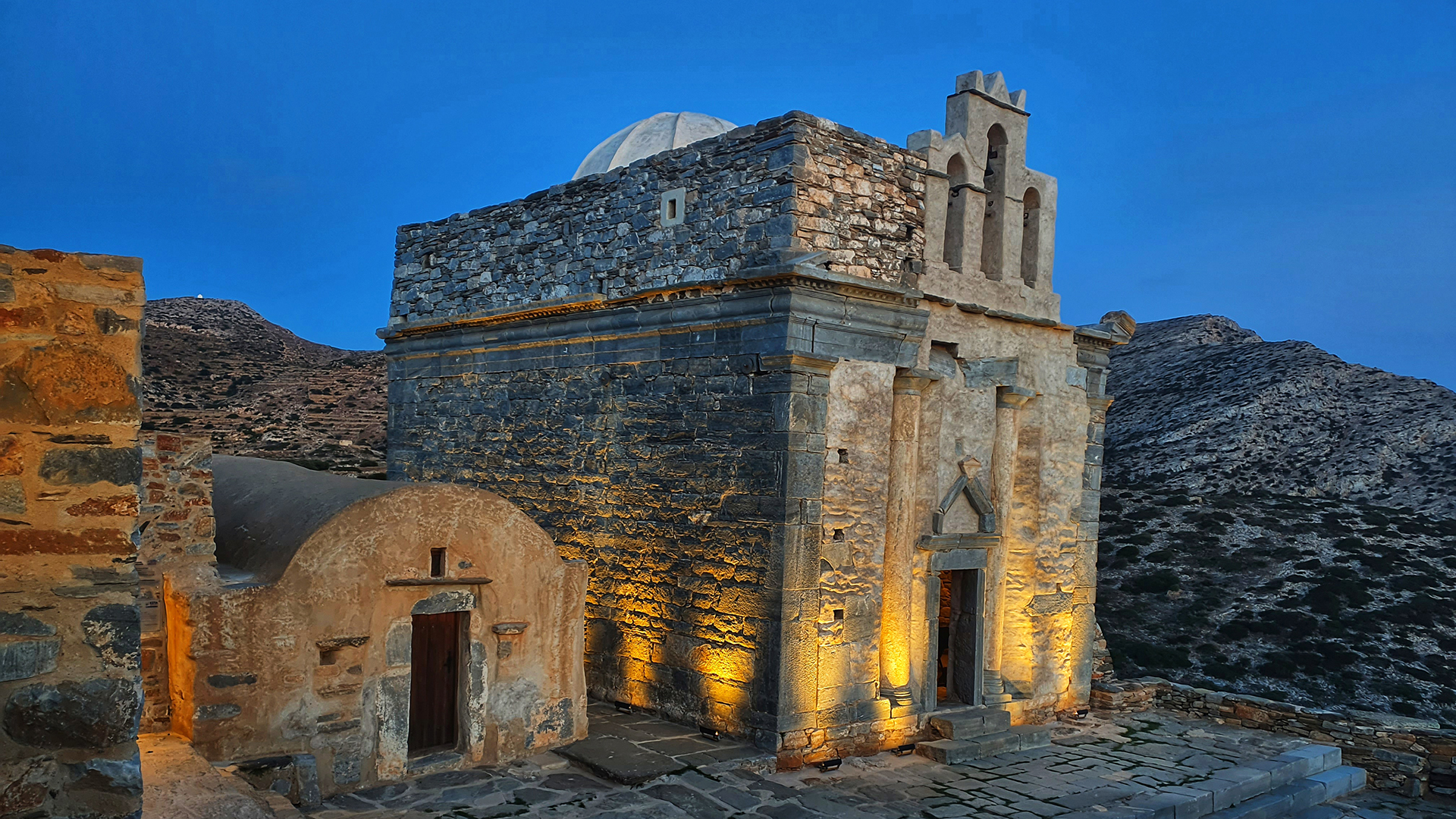
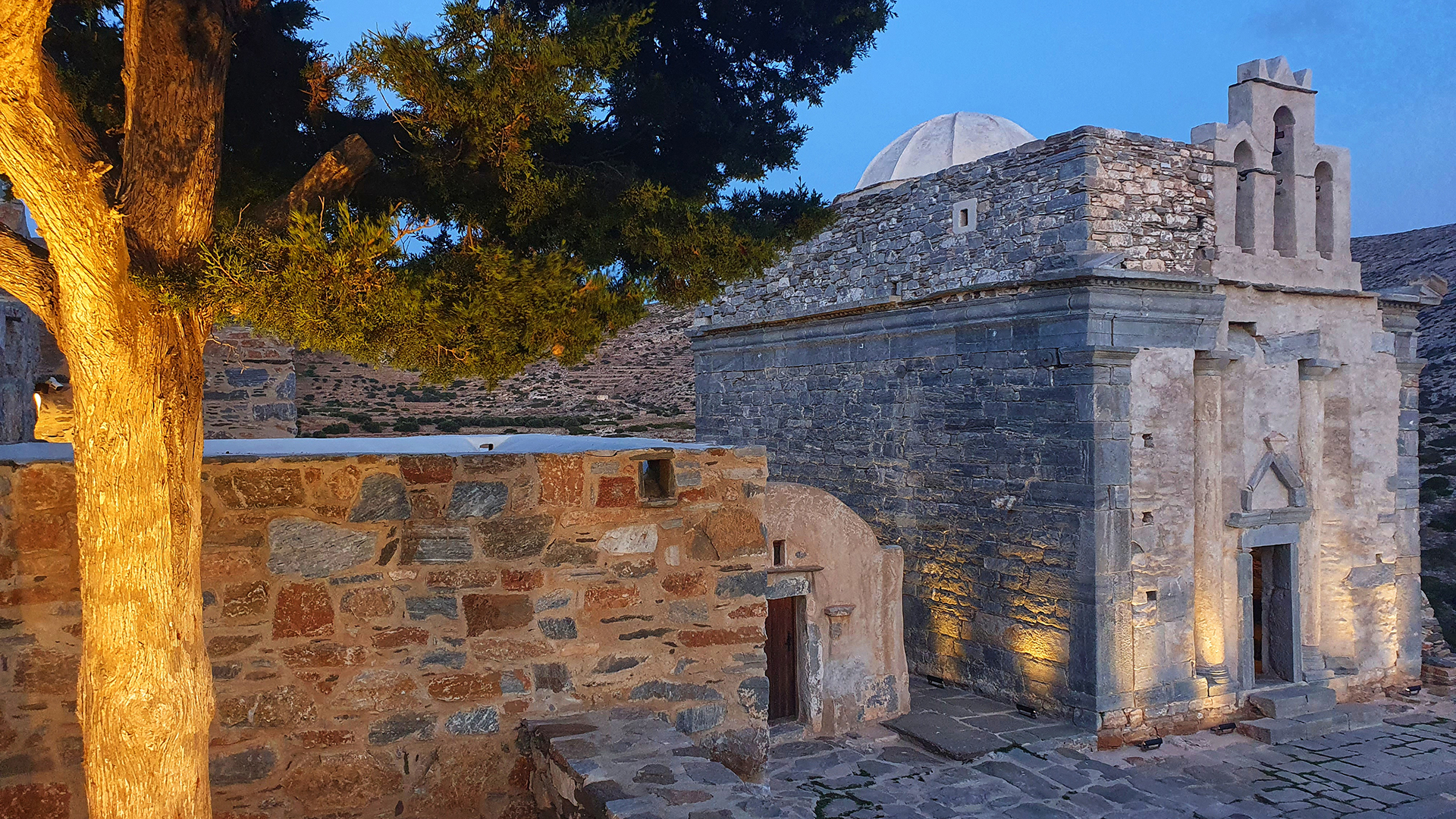
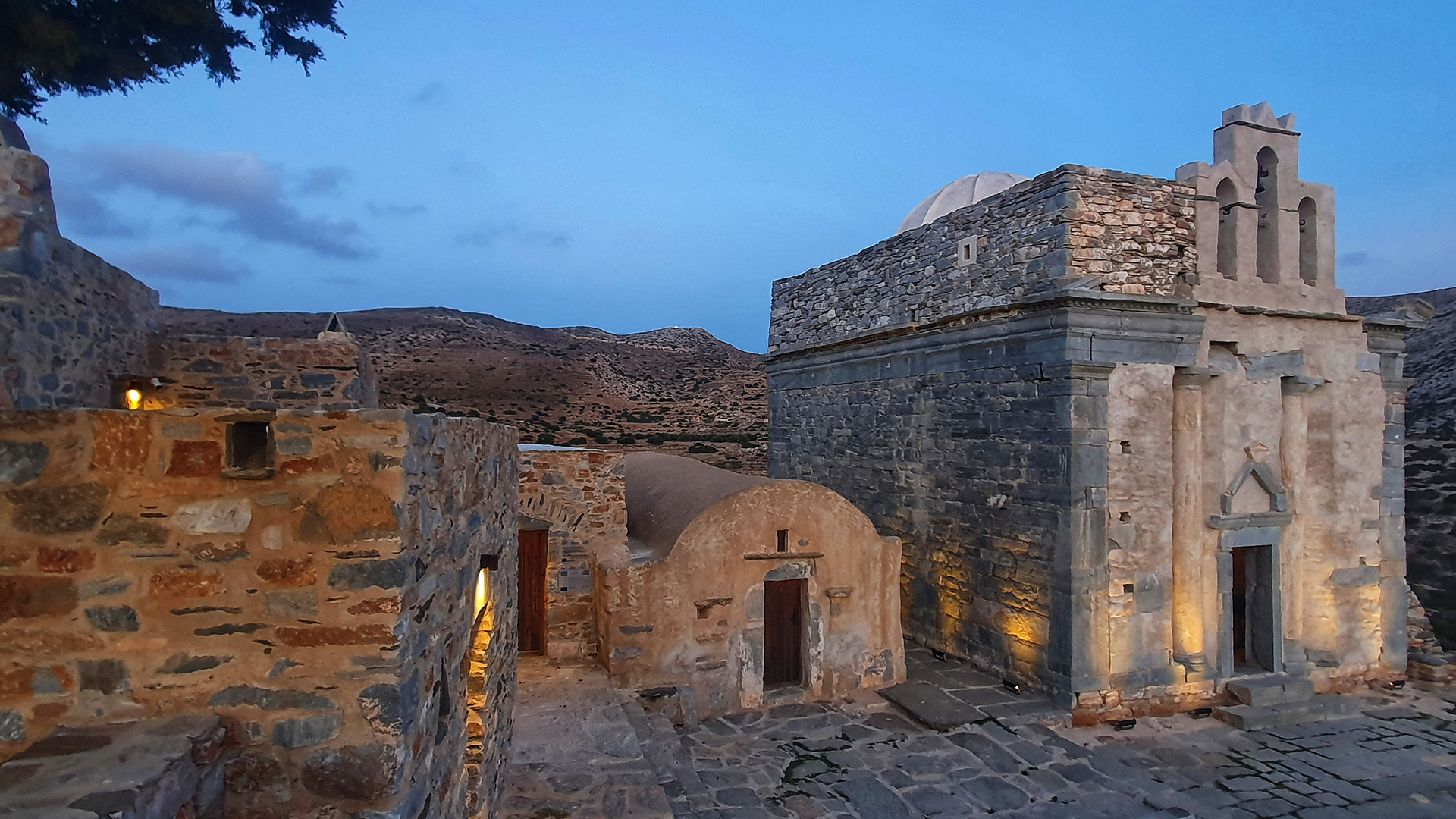
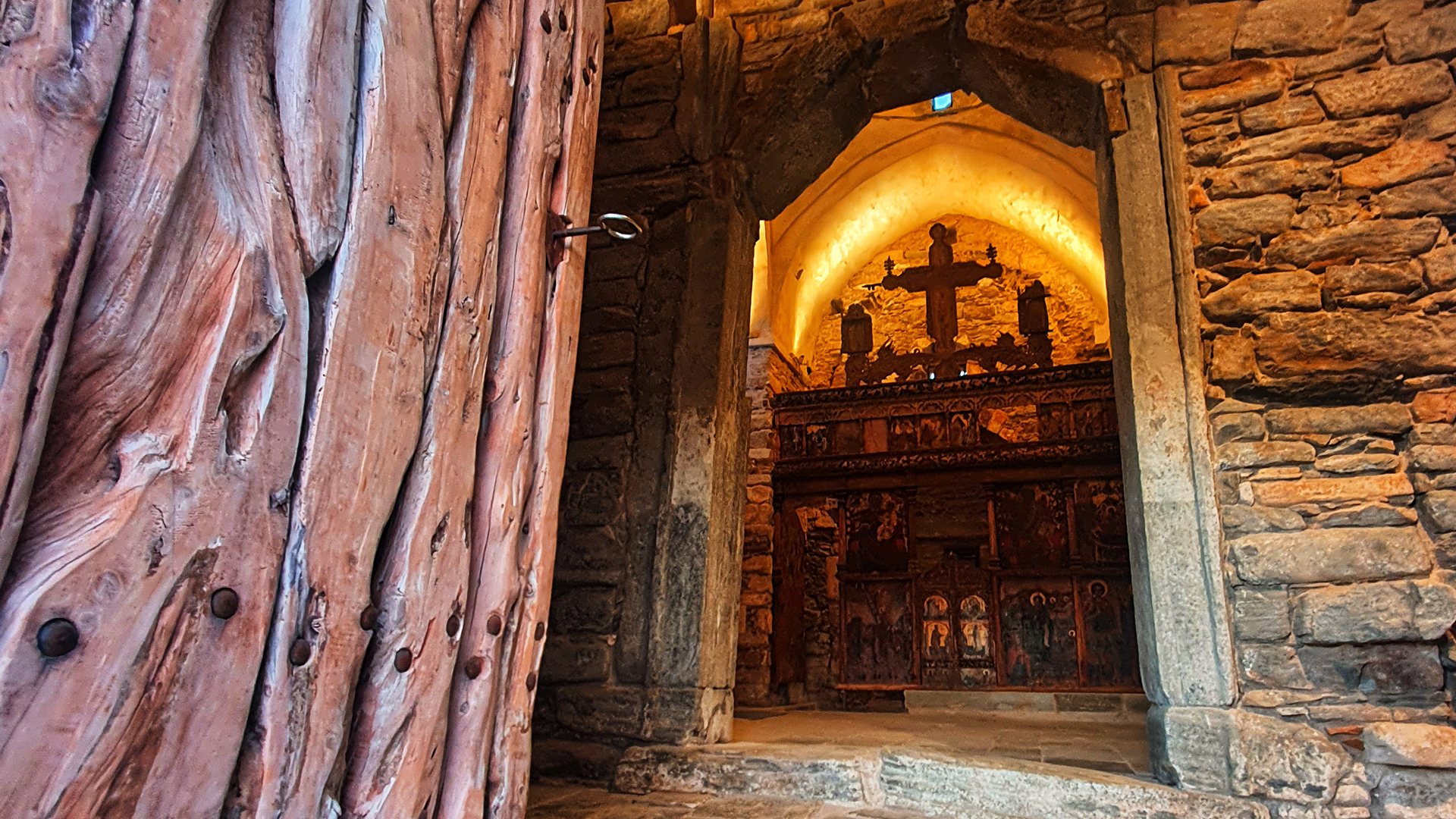
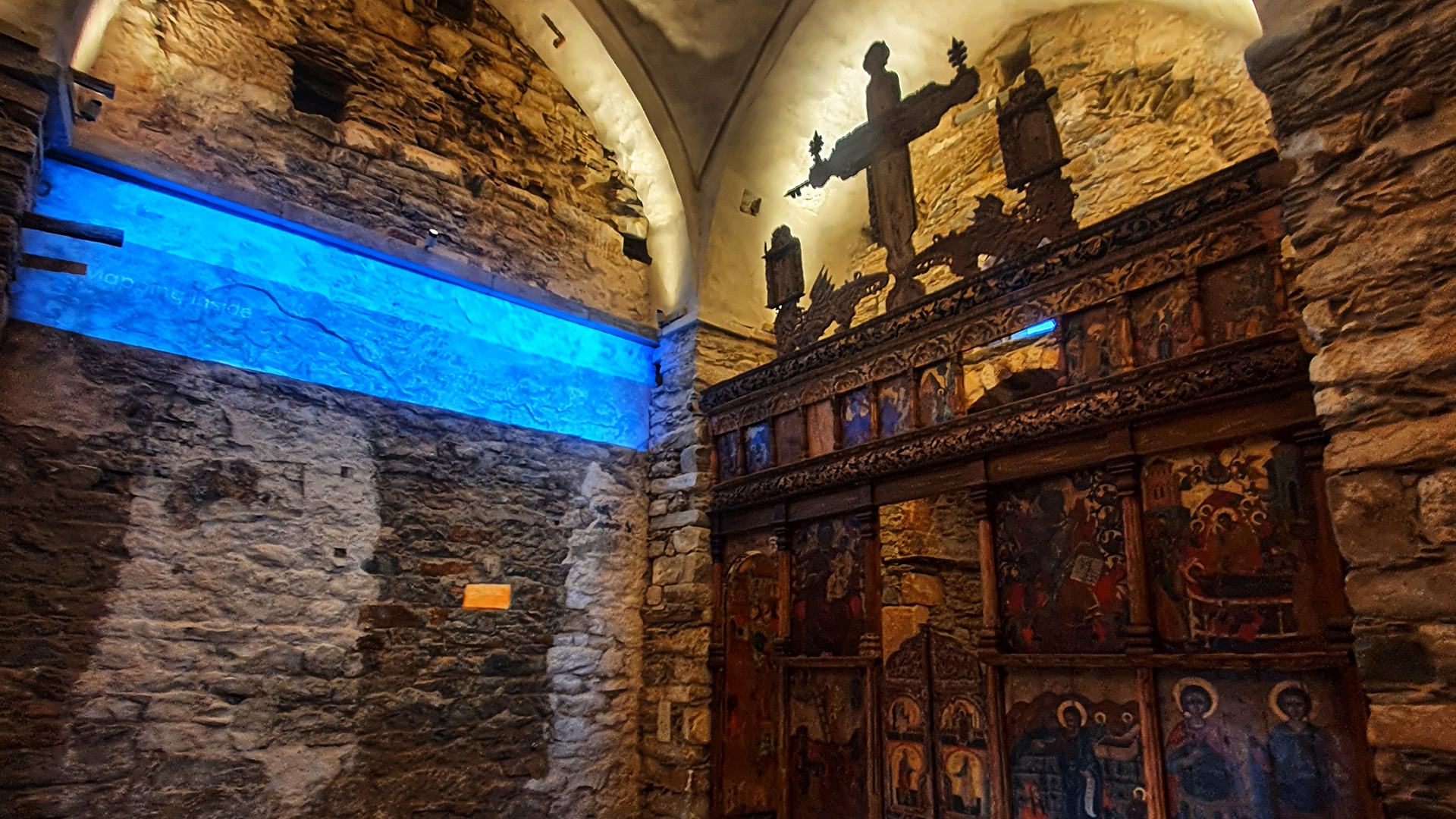
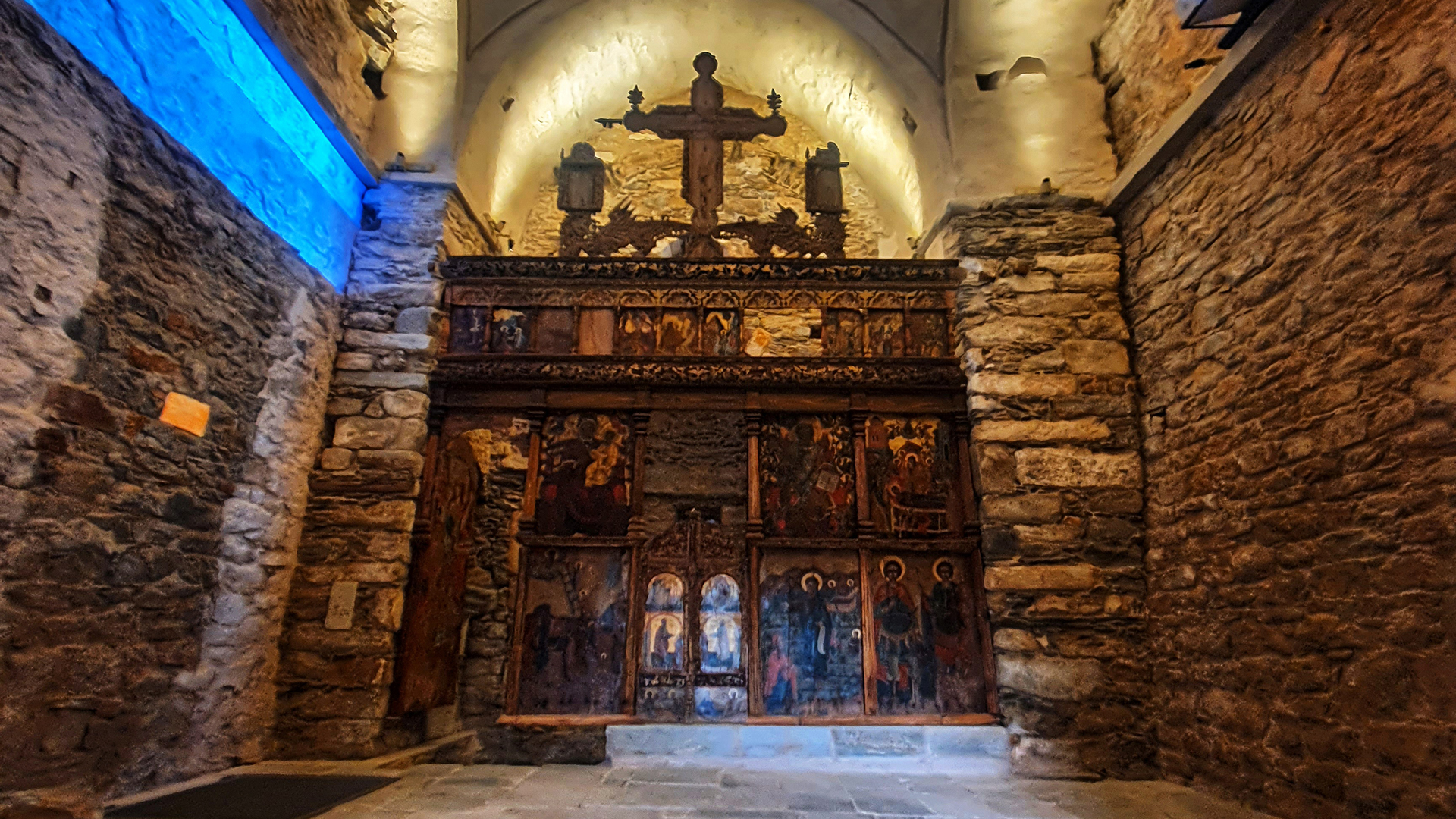
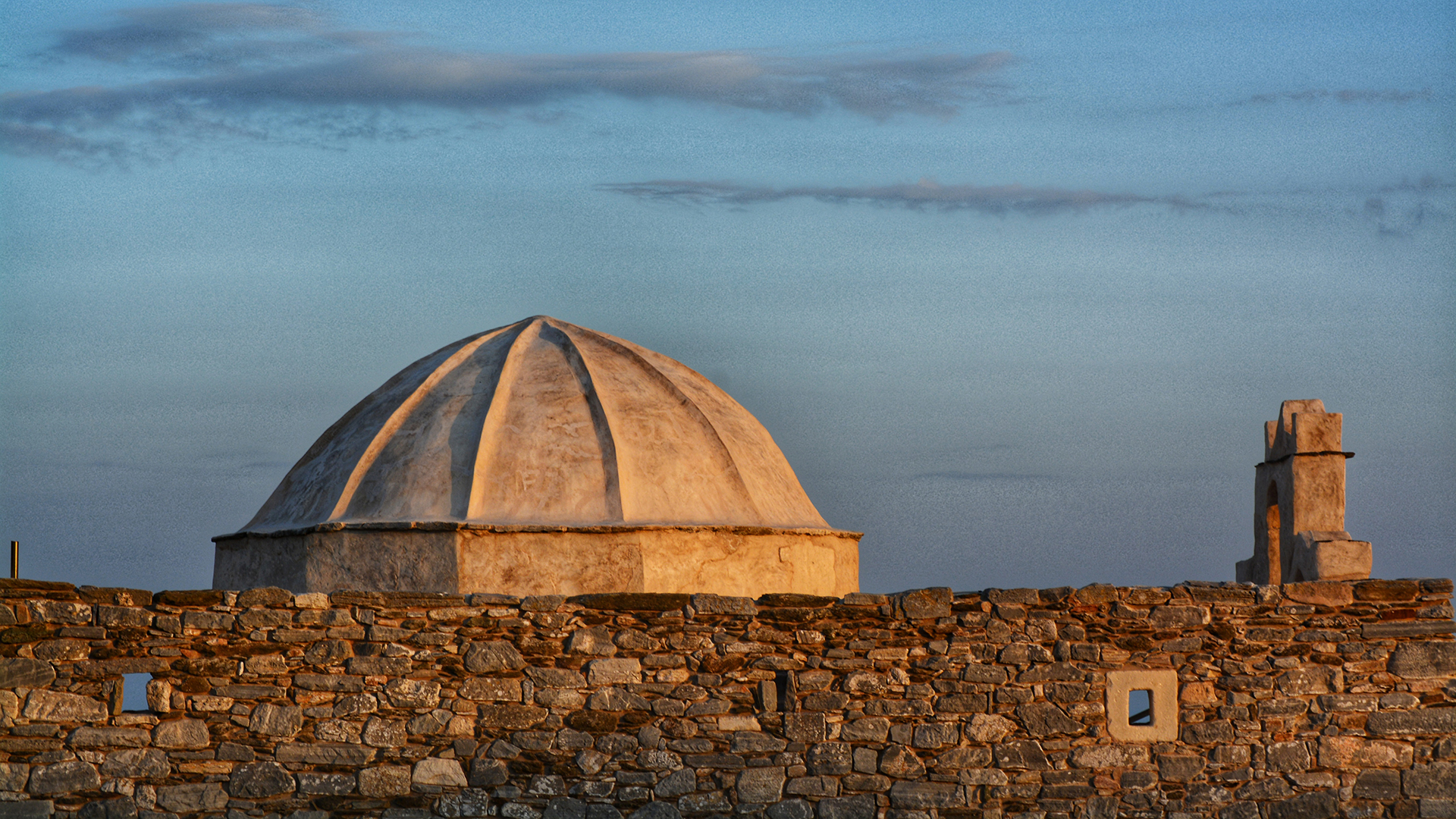
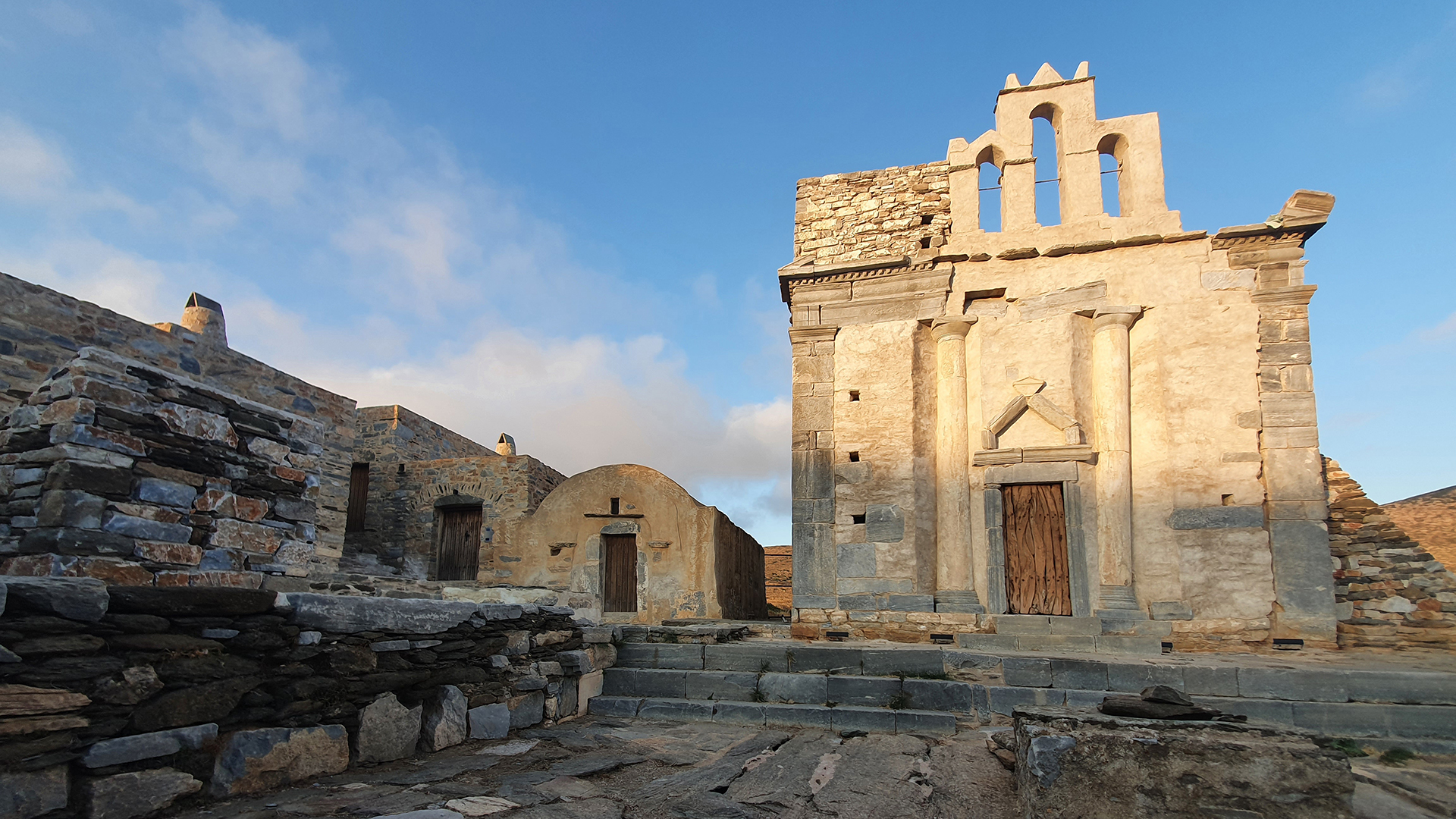
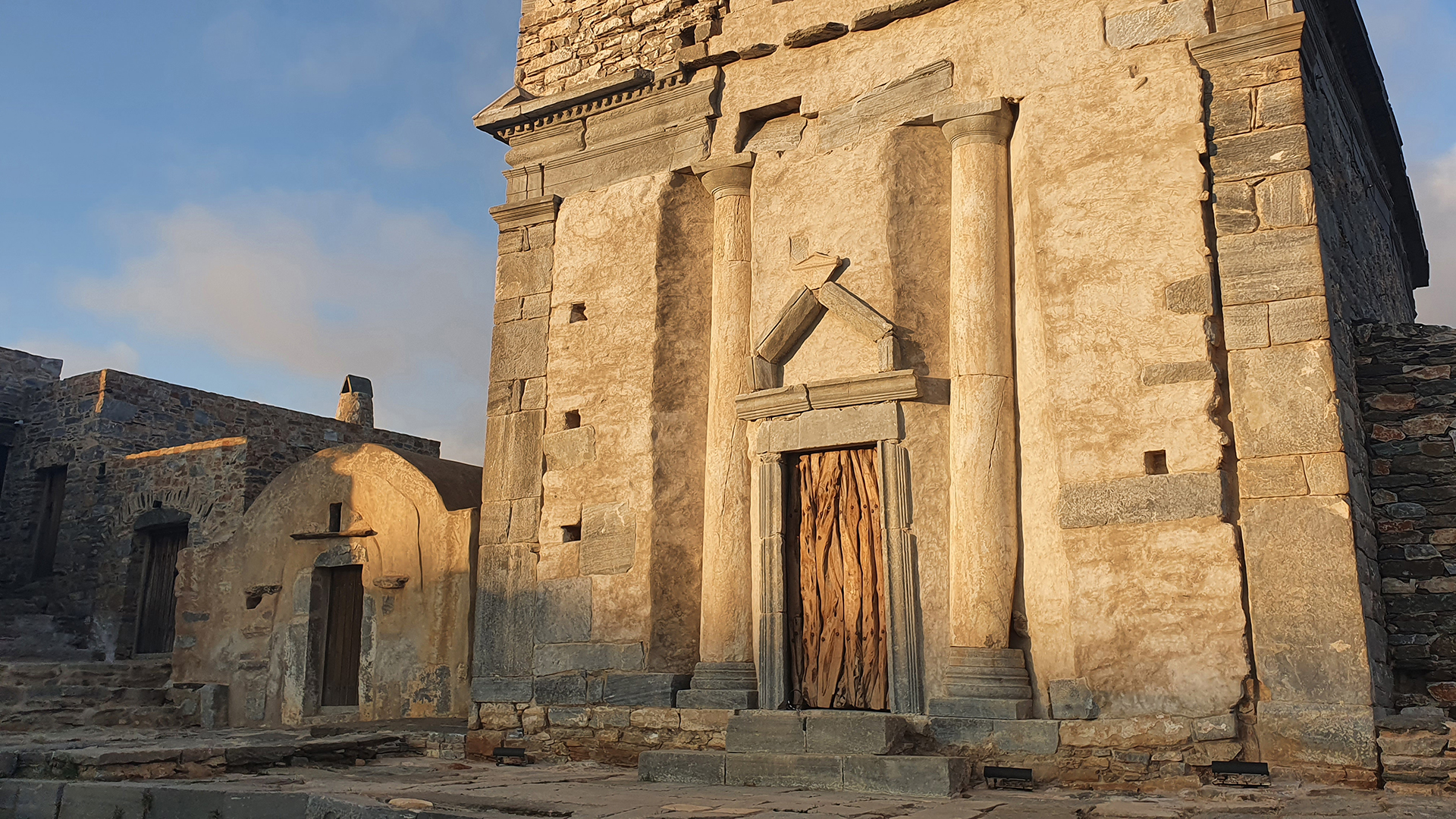
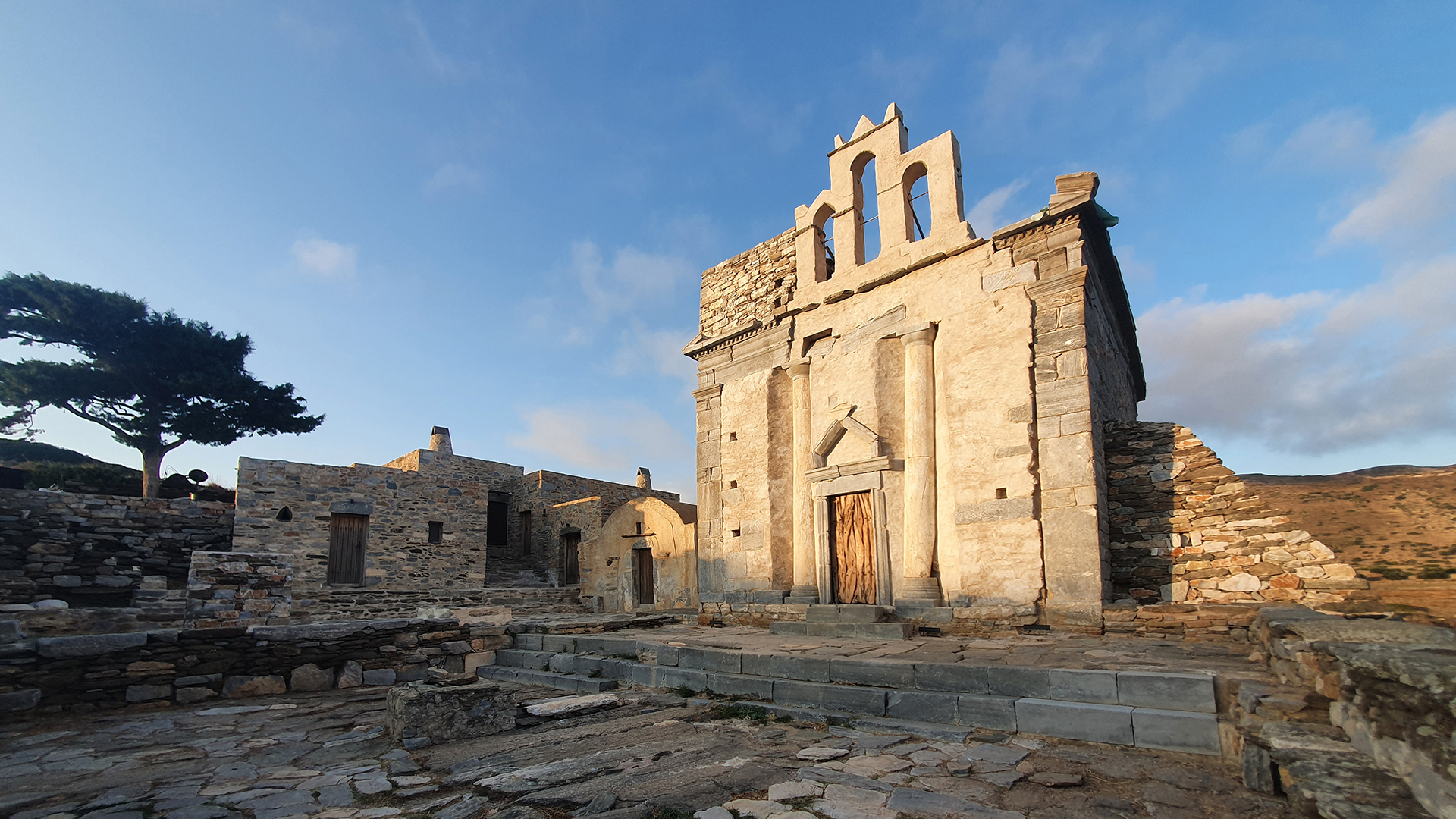
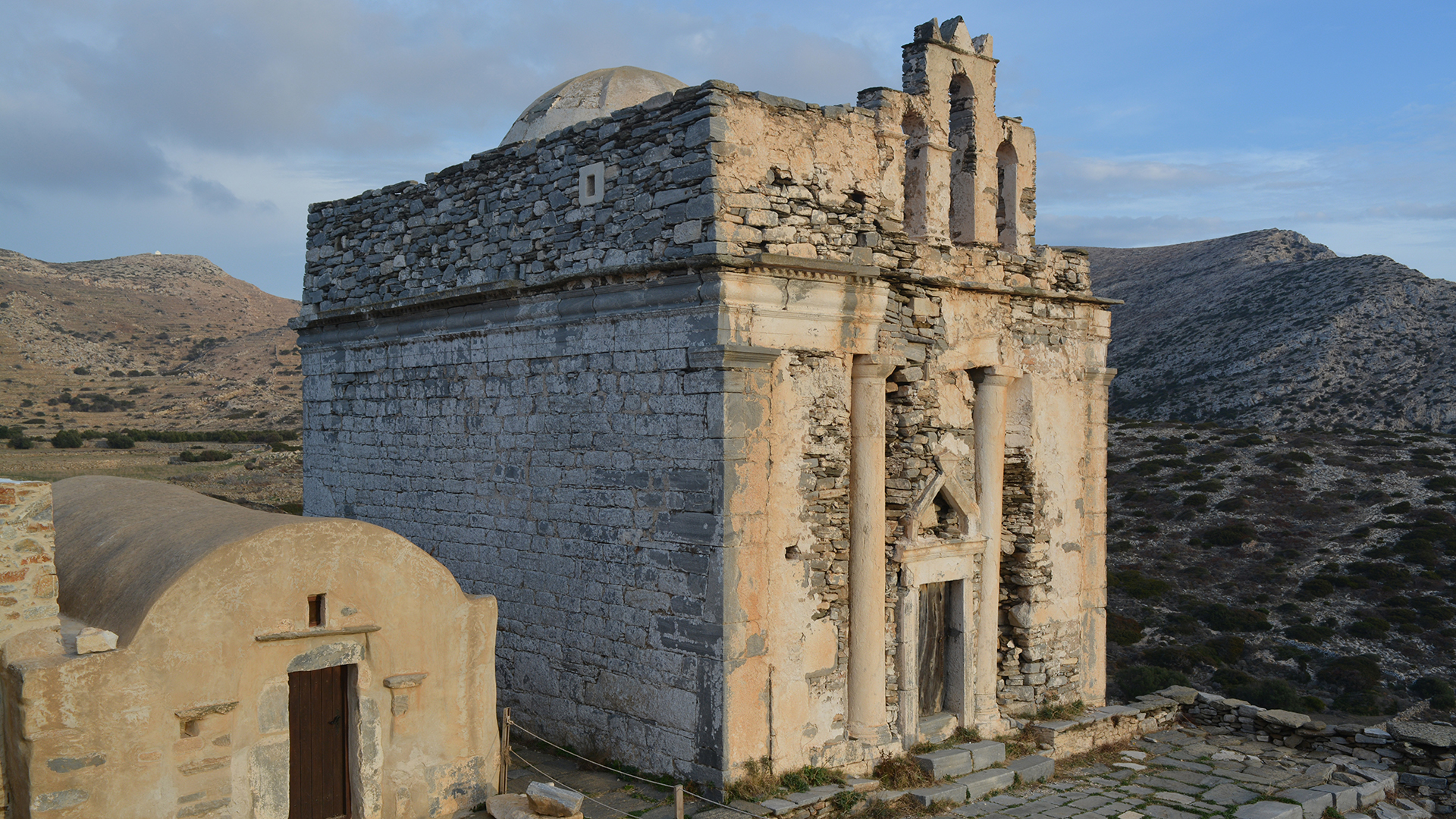
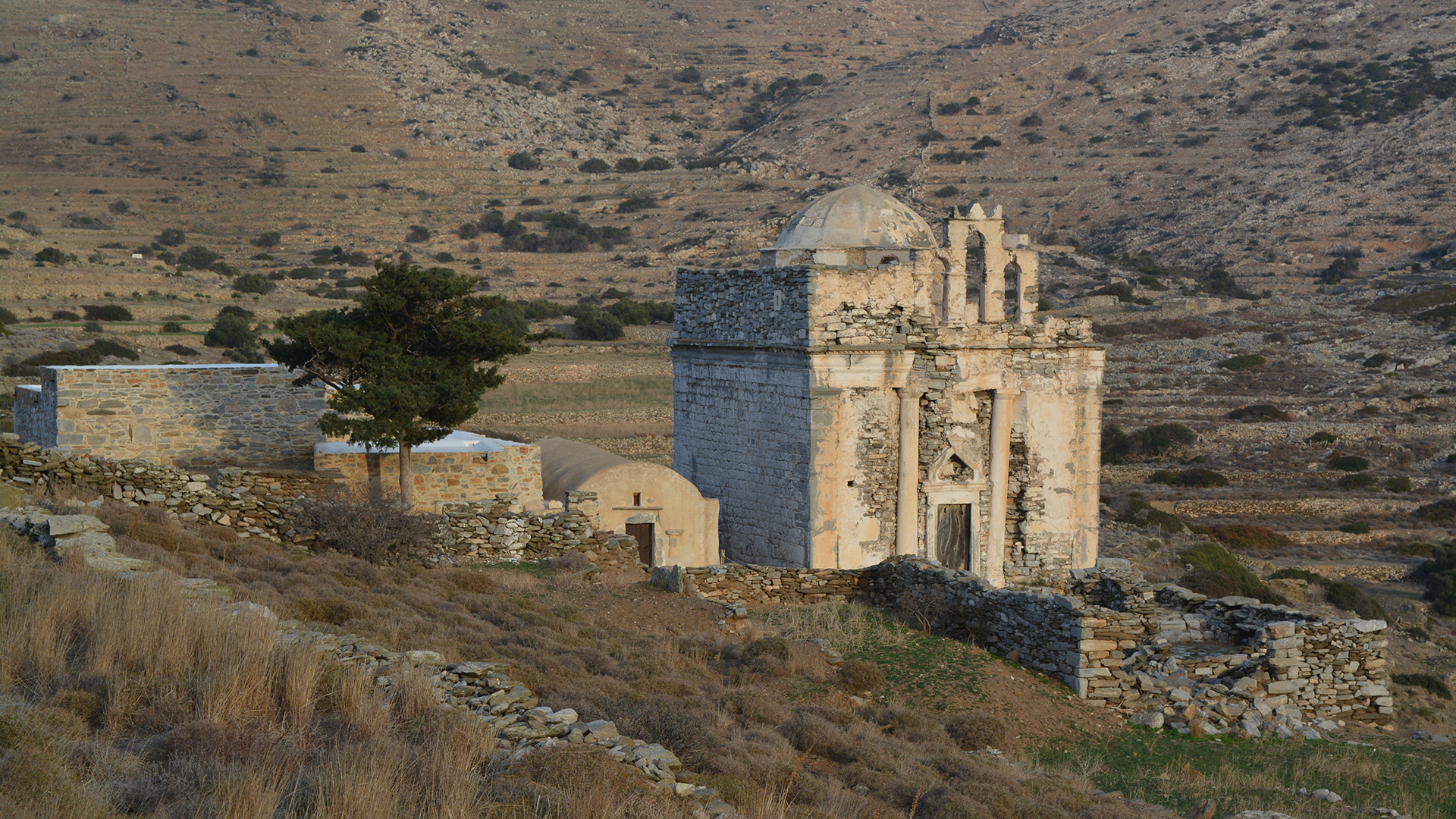
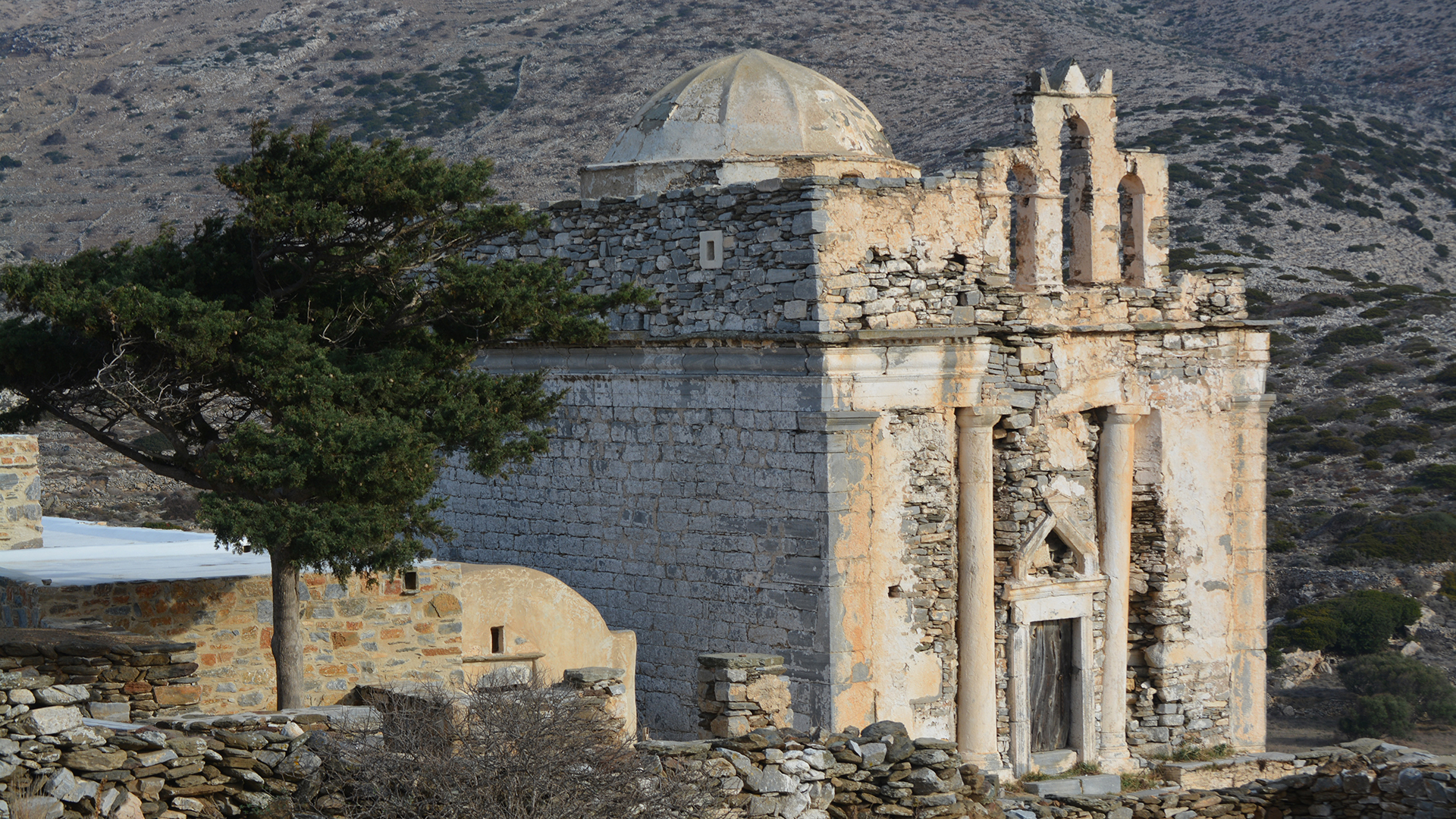
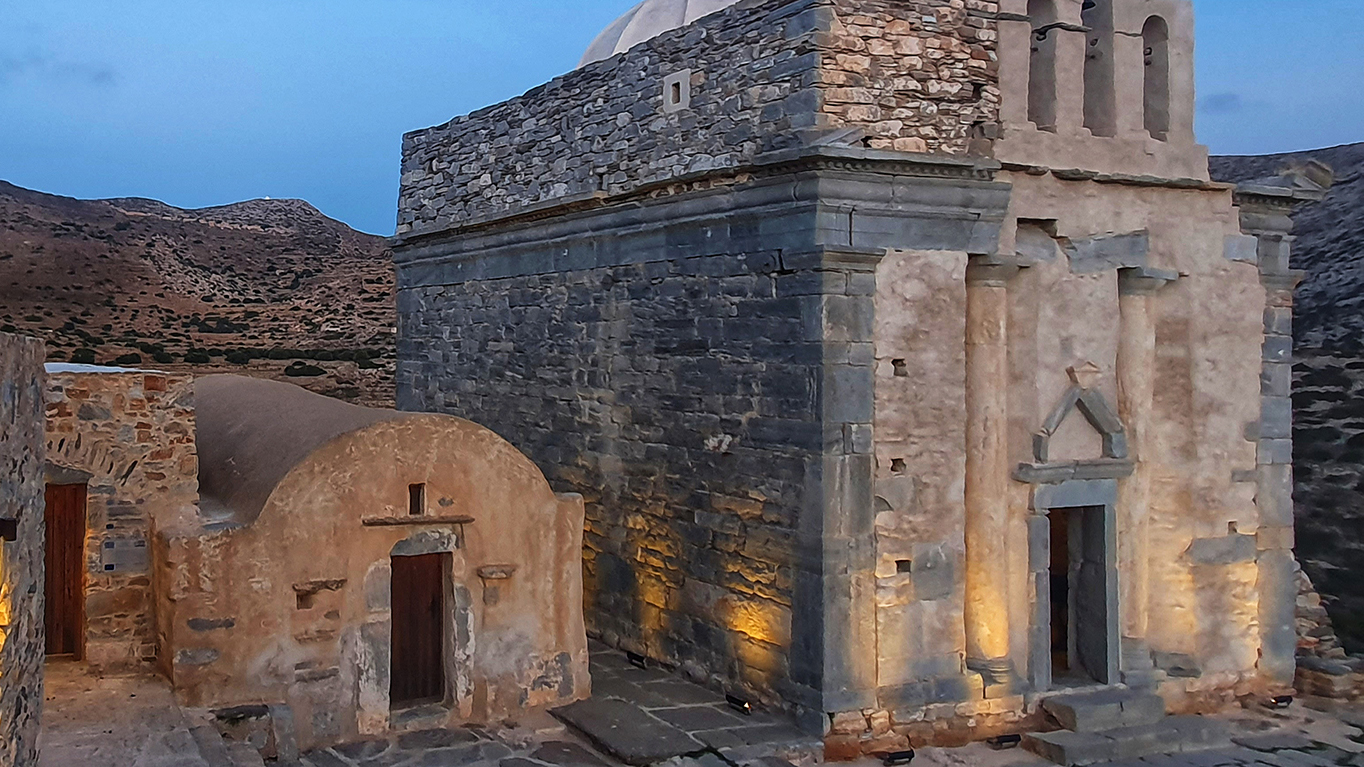
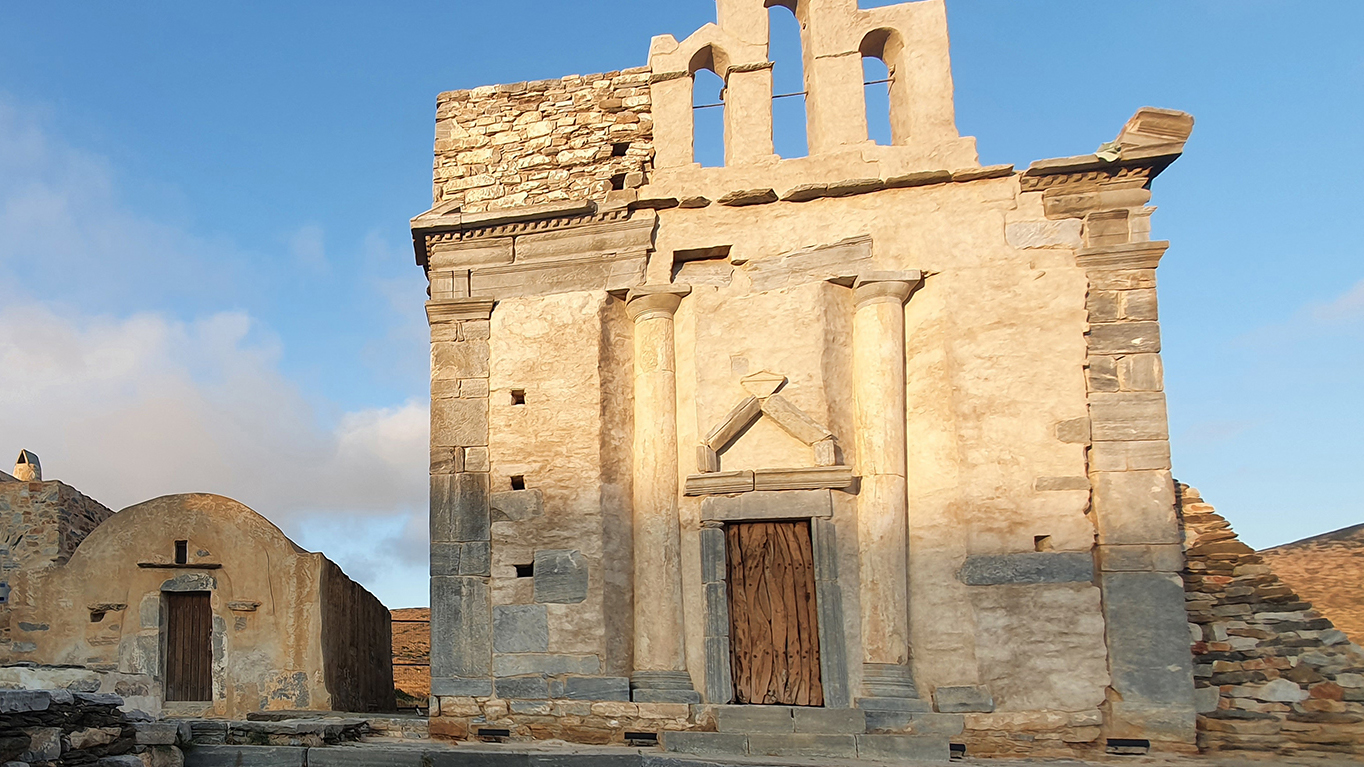
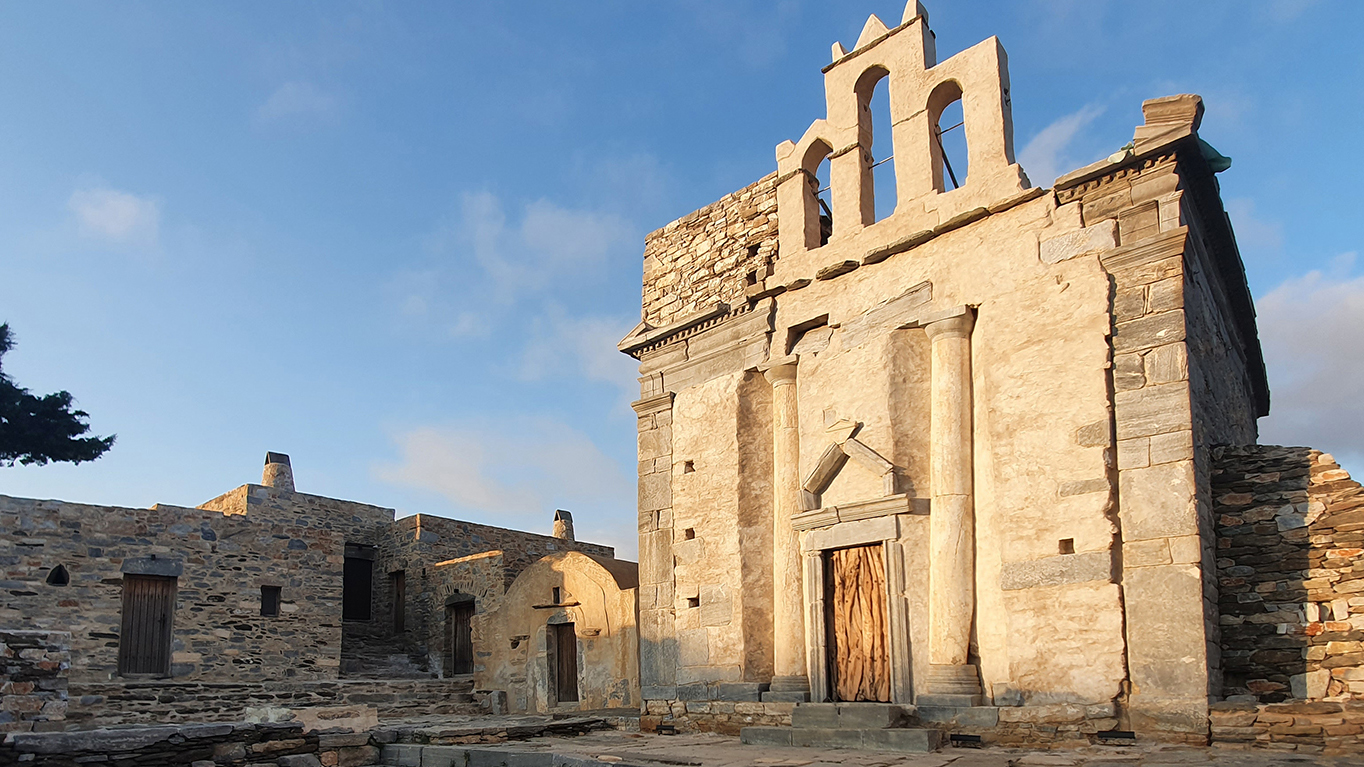
The Episkopi of SikinosEpiskopi is one of Sikinos' most important monuments and one of the most impressive examples of continuous worship and architecture in the Cyclades.The Episkopi of SikinosEpiskopi is one of Sikinos' most important monuments and one of the most impressive examples of continuous worship and architecture in the Cyclades.Discover MoreThe Episkopi of SikinosEpiskopi is one of Sikinos' most important monuments and one of the most impressive examples of continuous worship and architecture in the Cyclades.The Episkopi of SikinosEpiskopi is one of Sikinos' most important monuments and one of the most impressive examples of continuous worship and architecture in the Cyclades.
European Heritage Award Europa Nostra 2022
The monument at Episkopi on Sikinos—one of the smallest Cycladic islands—is a Roman-era mausoleum that was repurposed in the 3rd century AD; it has survived to the present day virtually intact thanks to its conversion into a Byzantine church that remained in continuous use. The ancient structure incorporates successive interventions from the Middle Ages and more recent times, creating a unique palimpsest of historical periods—a feature rarely preserved in other ancient monuments.
Severely damaged by devastating earthquakes and human interventions over the centuries, the monument was abandoned in the 20th century. In 2016, the Ephorate of Antiquities of Cyclades decided to restore it and reopen it to the public. The restoration study was undertaken by the Ephorate’s scientific staff—an initiative supported by the Hellenic Society for the Protection of Nature and Culture and the Martinos Foundation (A. & M. Martinos), which funded the structural and geotechnical studies. The overall restoration project was funded by the European Regional Development Fund and the South Aegean Region.
South Aegean Region Special Managing Authority
South Aegean Region Press Office – South Aegean Region
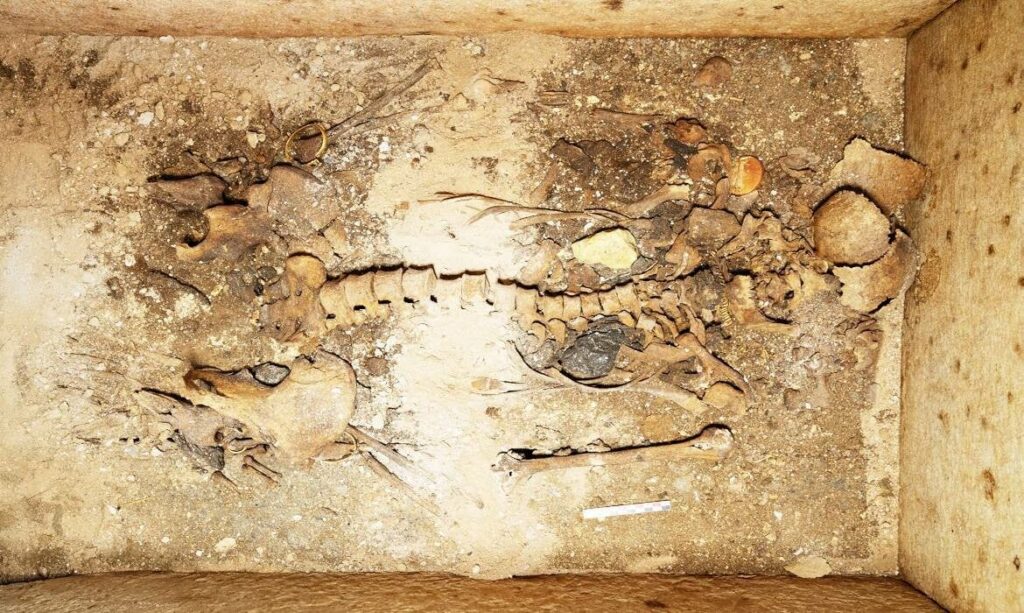
The archaeological research conducted during the monument’s restoration enriched our knowledge of Roman-era funerary monuments in the Eastern Mediterranean, as well as Byzantine church architecture in the Cyclades. During the restoration work at Episkopi, valuable evidence of the past—such as inscriptions and fragments of Roman and Byzantine frescoes—was uncovered; a microclimate monitoring system was installed to ensure their preservation. The most significant find was the hermetically sealed, undisturbed tomb of an upper-class woman named “Neiko.”
The community of Sikinos, dedicated to the restoration of the Episkopi monument, provided full support for the project’s implementation. With the building having been closed to the public for half a century, the local community looks forward to restoring its vital bond with this iconic monument—initially by reviving the annual August 15th celebration, and subsequently by launching cultural activities at this unparalleled archaeological site in collaboration with the Ephorate of Antiquities of the Cyclades.
“This project combined methodical research with meticulous conservation, resulting in a high-quality restoration of the monument. The Episkopi monument stands as an outstanding cultural landmark of which the small island community is immensely proud. The restoration work prioritized the reuse of original architectural elements wherever possible and incorporated stones gathered from the surrounding area. The combination of architectural features from a Roman-era mausoleum and a Byzantine church creates a unique monument that is simply captivating,” noted the Award Jury.
Ancient Cycladic societies, unable to provide a rational explanation for psychological or pathological disorders, attributed these phenomena to “demonic forces.” This was the case for a noblewoman from Sikinos who fell victim to the superstitions of her time; she was likely treated as “possessed,” as suggested by the nature of her burial.
Her name was Neiko, as revealed by the funerary epigram at the impressive Episkopi mausoleum on Sikinos, where her tomb is located:
Translation Here lies the beautiful body of beloved Neiko, Yet her soul is with the immortals; For the immort willed that the souls Of those who lived with wisdom should not die.
The burial is interpreted as deviant, as it differs from the customary funerary practices of the era, combining magical-religious rituals intended to appease the forces of “evil.” The skeleton’s distinctive state of preservation bears witness to the drastic measures taken by the island’s inhabitants to keep the body immobilized and inaccessible. The unfortunate woman appears to have died between the ages of 35 and 40; she was laid to rest with her legs bound, her thigh bones broken, a severe blow to the mouth, and her arms pinned beneath her pelvis. These acts of extreme physical violence point to either horrific torture—had she been alive—or the profound desecration of her remains—had she already been dead. A piece of sulfur and a lump of pitch were the “magical” materials placed near her chest as part of an exorcism ritual intended to ward off the dead. This interpretation of her as “possessed” also explains why her tomb was found hermetically sealed and walled into the mausoleum, thereby remaining undisturbed by grave robbers.